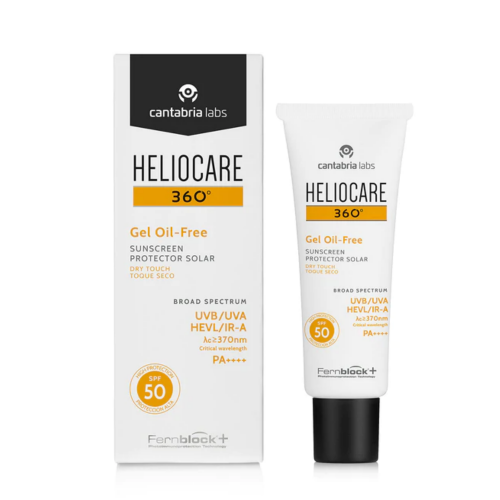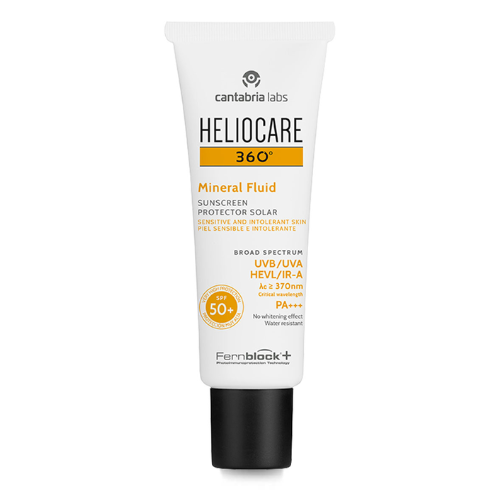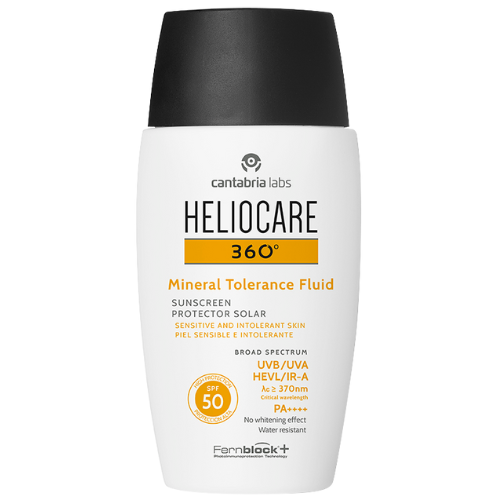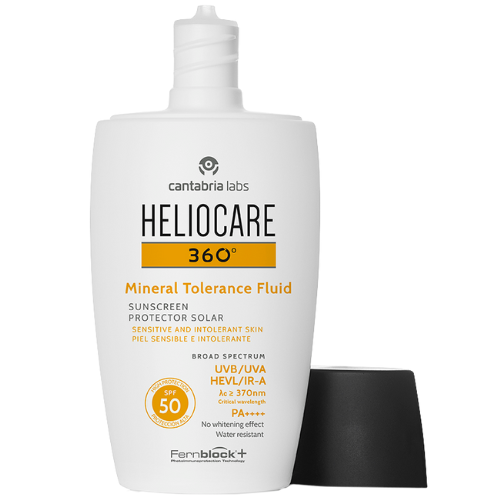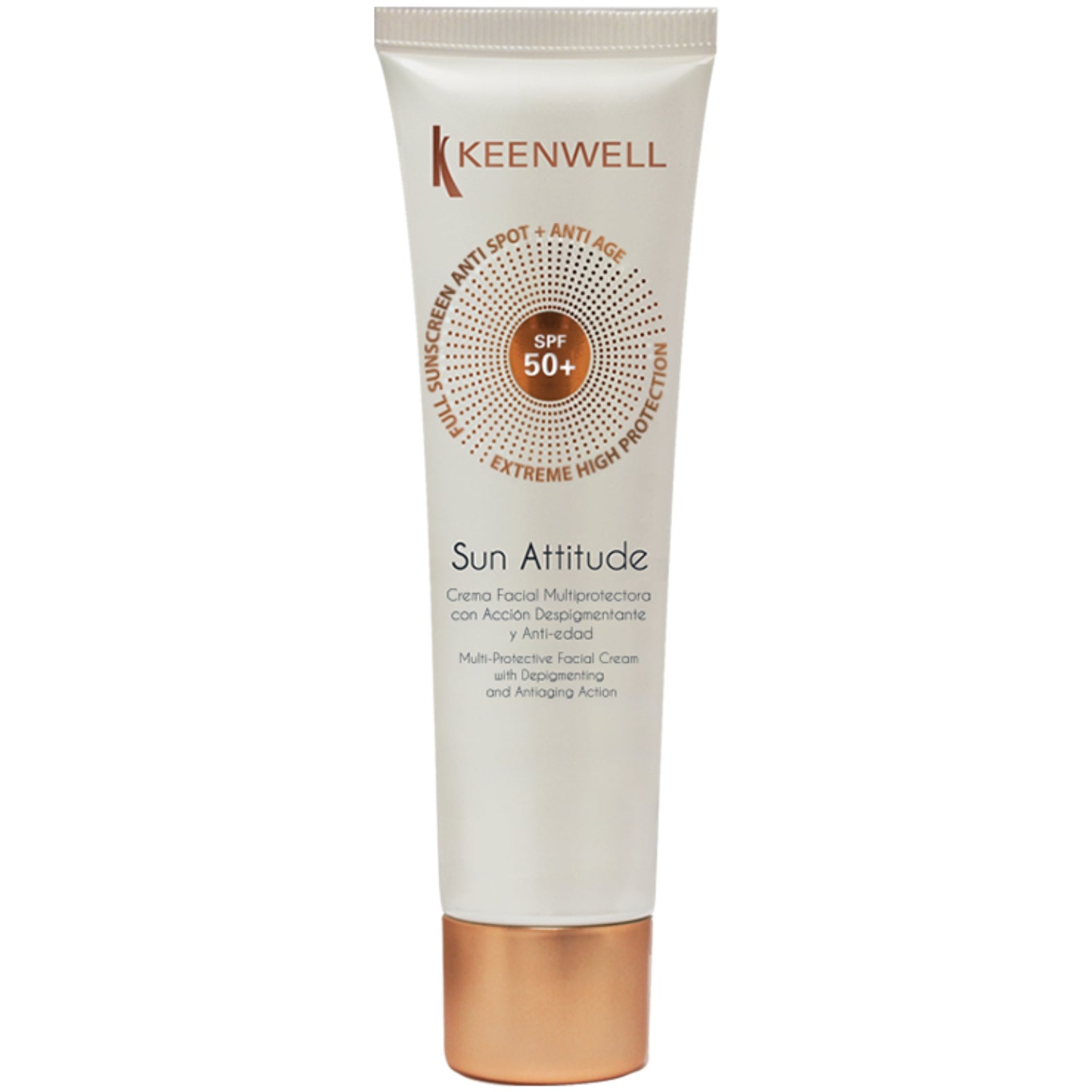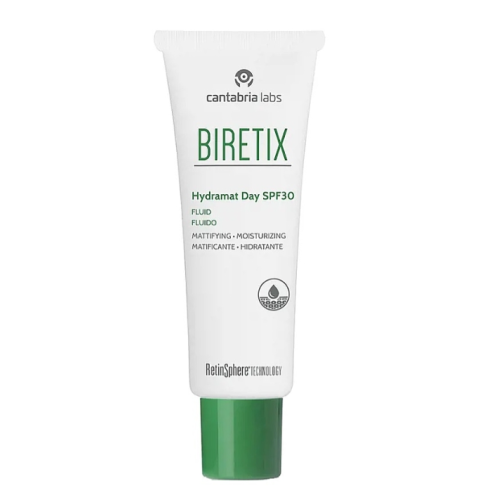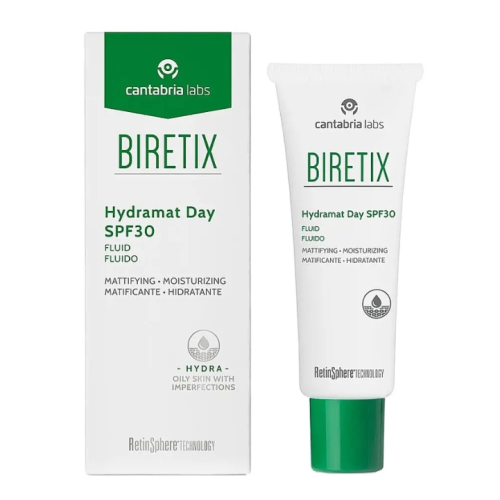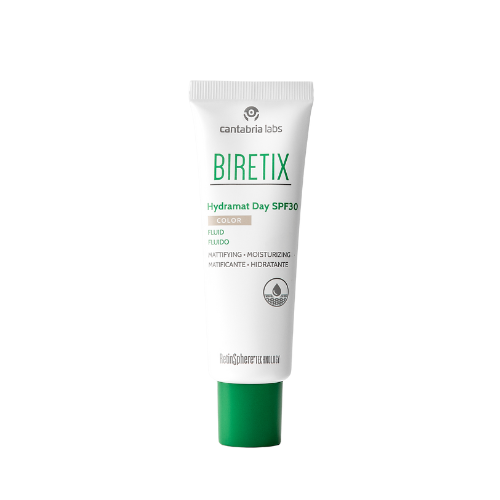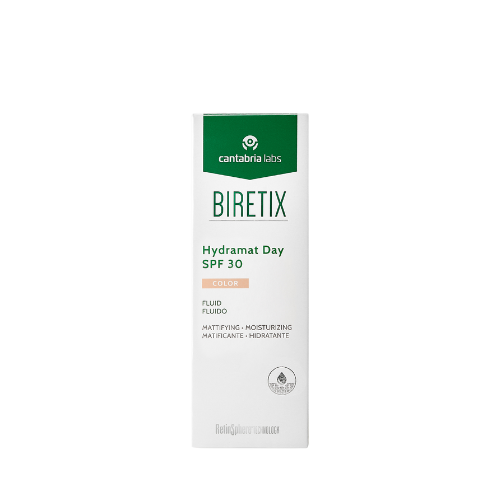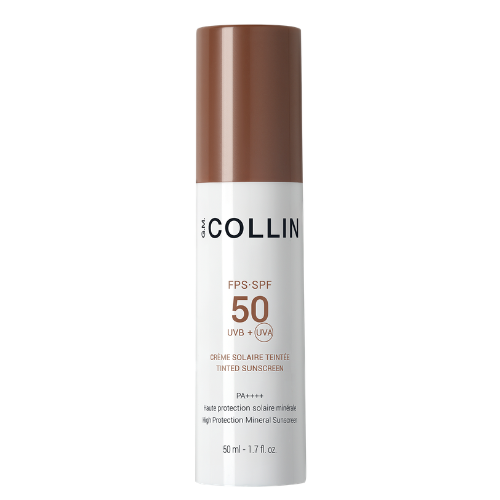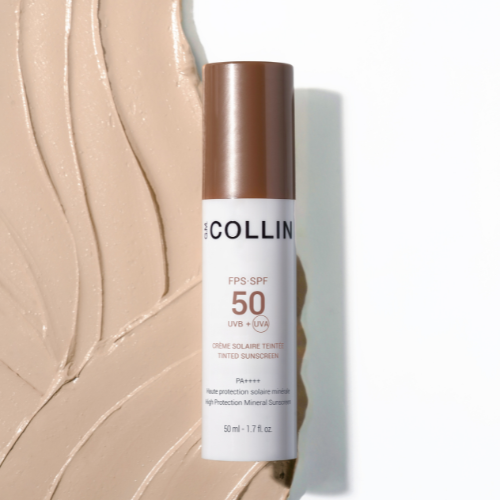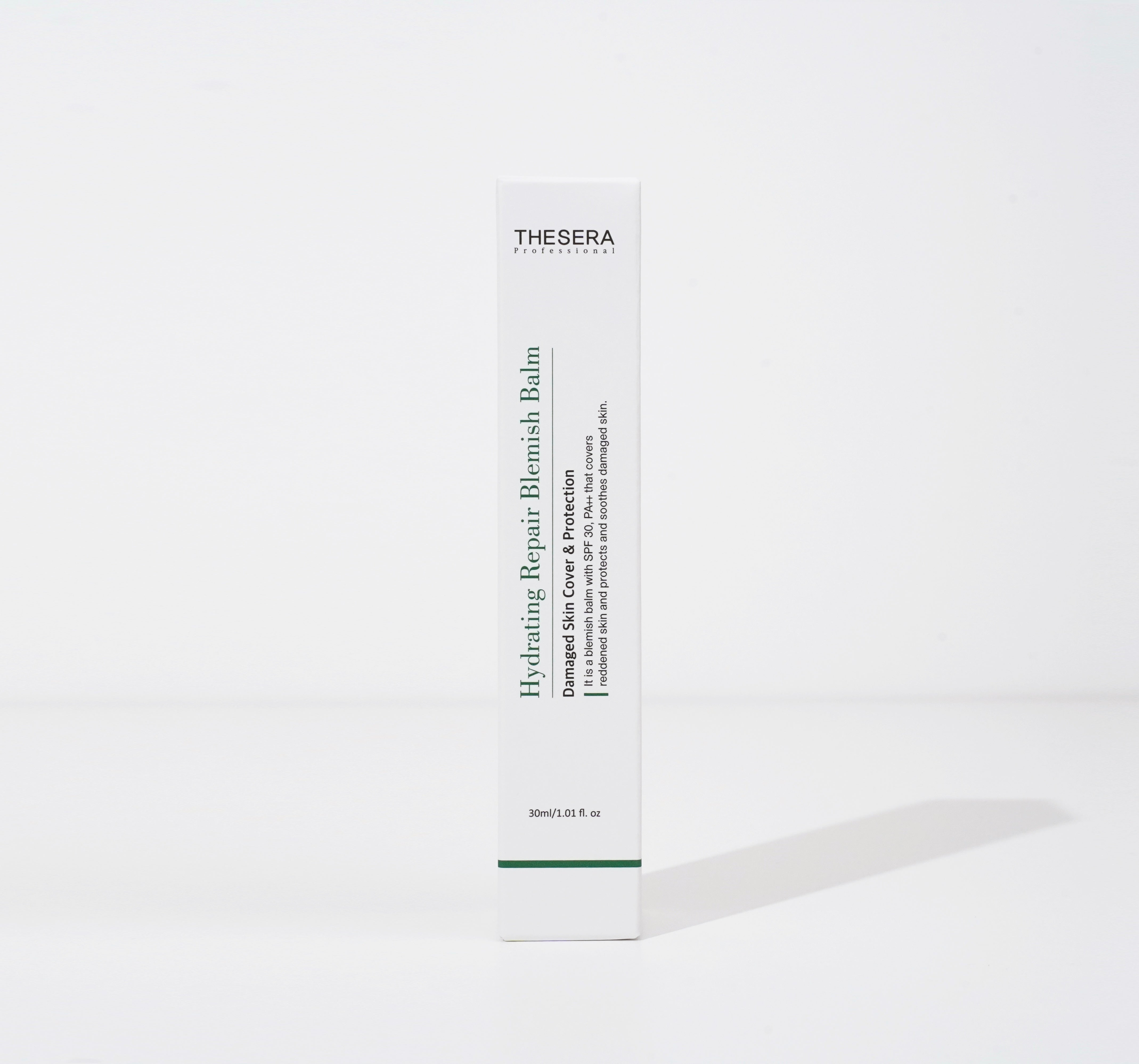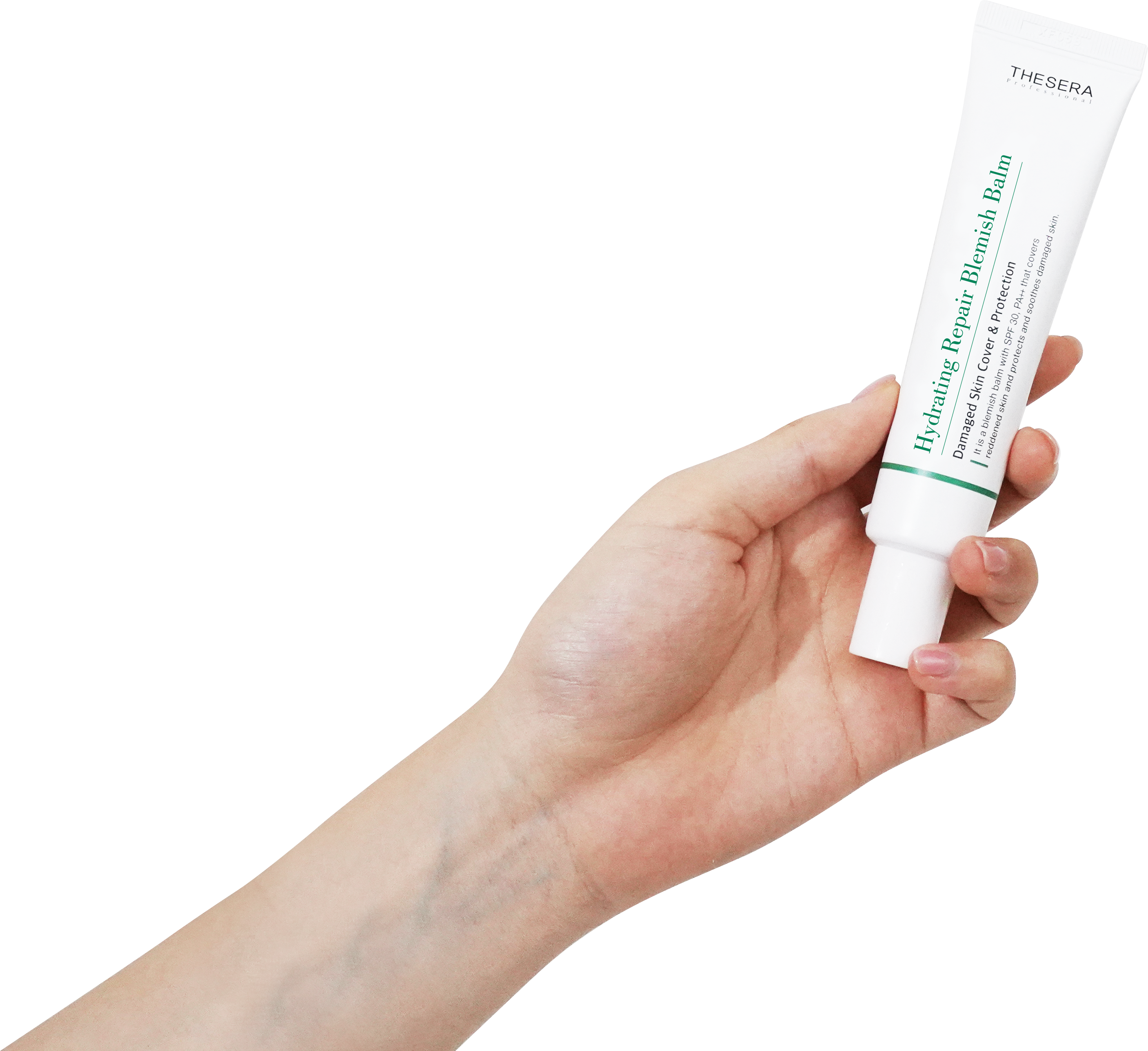
Sunlight is important for our body - it helps produce vitamin D , improves emotional well-being and energy levels. However, uncontrolled exposure to the sun can cause serious skin problems such as sunburn, pigmentation, premature skin aging , and even an increased risk of skin cancer . Therefore, sun protection should be part of your daily skin care ritual – not just in the summer or during vacation, but also all year round , as UVA rays reach the skin even on cloudy days . It is recommended to choose SPF30 for daily use, and SPF50+ for greater sun exposure. Protective measures help to prevent the effects of UV damage , preserve skin's firmness, smoothness and healthy appearance .
How to choose the right sunscreen
When choosing sunscreen, it is important to pay attention to several key factors:
- the meaning of SPF (sun protection factor);
- Broad spectrum protection (protection against UVA and UVB rays);
- Water resistance;
- Compatibility with your skin type.
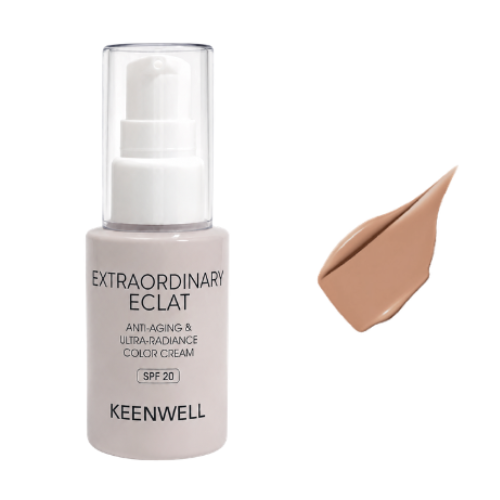
UVA, UVB rays, what you need to know about them
The sun's rays emit ultraviolet (UV) light, which is invisible to the human eye but has a significant impact on our skin. UV radiation is divided into three main categories based on wavelength: UVA, UVB, and UVC. UVA and UVB rays are most relevant to human health and skin, as UVC rays are completely absorbed by the ozone layer and do not reach the earth's surface.
Understanding the difference between UVA and UVB rays is important in order to properly protect your skin from the sun. So, in short, here's what you need to know:
UVA rays
- Wavelength: UVA rays are quite long, with a wavelength ranging from 320 to 400 nanometers, which allows them to penetrate deeper into the skin.
- Skin effects: These rays are responsible for skin aging and wrinkling, and can also contribute to the development of some forms of skin cancer. UVA rays cause skin darkening, which is a defensive reaction to damage caused by the rays.
- What time of day and season are you most active: UVA intensity remains relatively constant throughout the day year-round, which means it's important to protect yourself from them at all times, regardless of the time of year or weather conditions.
UVB rays
- Wavelength: UVB rays have a shorter wavelength, which can range from 280 to 320 nanometers, and they mainly affect the surface of our skin.
- Skin effects: These rays are the main cause of sunburn and play a role in the development of skin cancer, including melanoma. UVB rays are also responsible for the synthesis of vitamin D in skin cells.
- What time of day and season are they most active: The intensity of UVB rays varies depending on the time of year and day. They are most active and harmful at midday and during the summer months.
Why is it important to know all this?
- Choosing sunscreen: Understanding the effects of these two types of rays will help you choose the right sunscreen. It is important to choose broad-spectrum products that protect against both types of UV rays.
- Health effects: While UVB rays are important for vitamin D production, excessive exposure can cause skin damage and increase the risk of skin cancer. Meanwhile, UVA rays contribute to skin aging and may increase the risk of skin cancer.
- Daily protection: Proper knowledge about UVA and UVB rays encourages people to use sunscreen daily, even on cloudy days and no matter what time of year it is.
What is SPF?
SPF, or sun protection factor, is a measure of a sunscreen's or other sunscreen's ability to protect the skin from UVB rays, which cause sunburn and can contribute to the risk of skin cancer.
The SPF number indicates how long a person can be in the sun without getting sunburned, compared to how long they could spend in the sun without any protection.
How to understand SPF numbers and how they work
If a person usually starts to tan after 10 minutes in the sun, theoretically a sunscreen with SPF 30 would allow them to stay in the sun for 300 minutes (10 minutes x SPF 30). However, this calculation works under ideal conditions, and in practice, sweating, water, contact with clothing and incorrect use of sunscreen can reduce its effectiveness. Always pay attention to this.
How to use SPF products correctly?
- How much is enough: Many people don't use enough sunscreen. If it's a sunscreen, it's recommended to use about 30 ml (a tablespoon-sized amount) of cream for the entire body.
- More doesn't mean better: While a higher SPF provides longer-lasting protection, there's no direct correlation between the SPF number and the level of protection. For example, SPF 30 filters out about 97% of UVB rays, while SPF 50 filters out about 98%.
- Regular renewal: The protection should be renewed every two hours, especially if you sweat or swim.
SPF labeling on product packaging informs consumers about a product's ability to protect the skin from harmful UVB rays. Understanding this labeling and knowing what to look for can help you choose the most appropriate sunscreen product.
Here are the main aspects to consider:
SPF number
- The SPF value indicates the theoretical duration of protection against sunburn. For example, if it only takes 10 minutes for the skin to feel the negative effects of the sun without sunscreen, a product with SPF 30 theoretically provides 300 minutes (5 hours) of protection. However, this formula is not absolute, as the actual effectiveness of products can vary due to sweating, contact with water or incorrect use of the product.
- A higher SPF number does not mean proportionally more protection. While SPF 30 protects against 97% of UVB rays, SPF 50 protects against about 98%. This means that there is not much difference between SPF 30 and SPF 50, but a higher SPF can provide an extra sense of security for those who spend longer periods of time in the sun.
Broad spectrum protection
- In addition to SPF, it is important that the product is "broad spectrum" , meaning that it protects not only from UVB, but also from UVA rays, which are responsible for skin aging and can contribute to the risk of skin cancer.
Water resistance
- If you plan to be in the water or sweat a lot, use a product that is water-resistant. The packaging will also indicate how long the product remains effective in water - usually 40 or 80 minutes. It is important to remember that even water-resistant products need to be re-applied regularly, especially after getting out of the water or sweating heavily.
Product Formula
- Choose a formula that suits your skin type and needs. Sensitive skin should avoid ingredients that cause allergies, and oily or acne-prone skin should choose non-comedogenic products.